In this article, you’ll learn what neurodiversity means in today’s classrooms, why a neurodiversity-affirming approach matters for both students and educators, and how small, intentional shifts can create more inclusive learning environments. You’ll explore what neurodiversity looks like in real classrooms, how flexible, strengths-based practices support bright and complex learners, and why designing learning environments that adapt to students—not the other way around—helps all children thrive.
Every Classroom Includes Many Ways of Thinking and Learning
Neurodiversity in the classroom matters because not all students think, learn, or experience school in the same way, and teaching with those differences in mind helps everyone thrive. If you’ve ever looked around your classroom and thought, “This system doesn’t work for everyone,” you’re not wrong.
Today’s classrooms are filled with students who think, learn, and experience school in many ways. Some students need movement to focus. Some need quiet. Some are deeply curious but struggle to show what they know. Others are bright, creative, and overwhelmed all at the same time.
Neurodiversity reminds us that there is no single “right” way for a brain to work. Differences in learning, attention, communication, and behavior are a natural part of being human, and our classroom needs to reflect that reality.
What is Neurodiversity?
What is neurodiversity? Neurodiversity is the idea that brain differences such as ADHD, autism, dyslexia, and other learning and thinking differences are natural variations of the human brain, not problems to be fixed. When we understand neurodiversity this way, the goal shifts. Instead of asking students to adapt to rigid systems, we start asking how learning environments can adapt to students.
What Neurodiversity in the Classroom Looks Like
Neurodiversity in the classroom isn’t a theory. It shows up every day.
· It’s the student who understands the lesson but can’t get started on the assignment.
· It’s the learner who asks big questions but struggles with organization.
· It’s the child who works twice as hard just to get through the day.
In Neurodiversity-Affirming Schools, Emily Kircher-Morris and Amanda Morin explain that many neurodivergent students spend years being asked to adapt to environments that aren’t built for how their brains work. Over time, this pressure can lead students to mask their differences, disengage from learning, or believe something is “wrong” with them.
When educators begin to see these struggles through a neurodiversity-affirming classroom lens, the focus shifts. Instead of asking students to change who they are, we begin to ask how classrooms can change to better support them.
Why Neurodiversity-Affirming Classrooms Matter
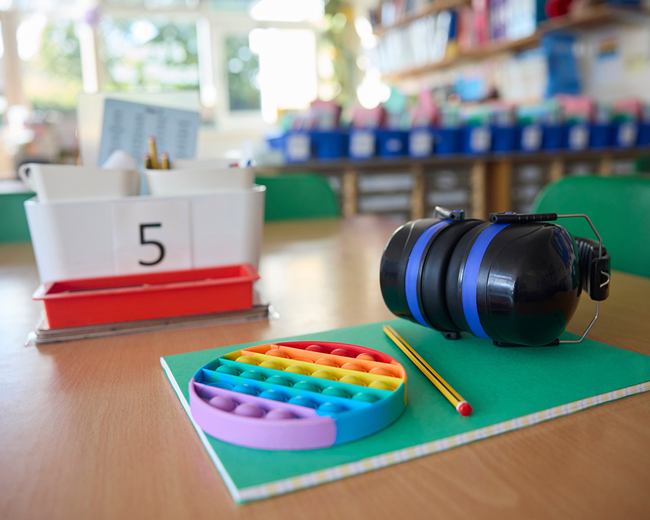
A neurodiversity-affirming classroom moves away from one-size-fits-all expectations. It recognizes that students have different needs and that those differences are to be supported, not judged.
According to Neurodiversity-Affirming Schools, affirming practices
● work with students’ strengths instead of against them
● reduce stress and stigma in learning environments
● create predictable, supportive routines
● help students feel safe being themselves.
This approach doesn’t lower expectations. It removes barriers so more students can meet them. And what supports neurodivergent students often supports everyone.
Bright, Complex Learners Need Flexible Support
Some students don’t fit neatly into one category. They may be advanced in some areas and struggle in others. They might be highly capable and still need significant support. In Bright, Complex Kids, the authors described learners with “spiky profiles” meaning their strengths and challenges don’t develop evenly. These students are often misunderstood because they don’t match traditional ideas of what learning should look like. When classrooms are flexible and strengths-based, bright and complex learners are more likely to stay engaged, feel capable, and take academic risks instead of shutting down.
[H2] How to Support Neurodiversity in the Classroom
One of the most encouraging ideas across Free Spirit Publishing resources is that supporting neurodiversity in the classroom doesn’t have to be overwhelming. In Teaching Kids with Learning Difficulties in Today’s Classroom, educators are reminded that small, intentional adjustments can dramatically improve learning experiences. These might include
● breaking tasks into smaller steps
● offering multiple ways to show understanding
● normalizing tools and accommodations
● creating consistent routines.
You don’t need to redesign everything at once. Small changes add up, and they send a powerful message to students: You belong here.
Why This Work Is Personal to Me
This work isn’t just professional for me, it’s personal. I grew up with learning and thinking differences, and I know what it feels like when school doesn’t quite fit your brain. Later, as a teacher, I saw those same experiences reflected in my students. They weren’t lacking ability. They were navigating systems that weren’t designed for how they learned. Those experiences shaped my commitment to neurodiversity-affirming education. I believe classrooms should help students understand their strengths, trust themselves, and feel safe asking for what they need.
A Time to Reflect and Celebrate
Neurodiversity Celebration Week, happening the third week of March, is a chance to pause and reflect on how our classroom supports or unintentionally excludes different learners. To support educators in this work, we’ve created a free Neurodiversity-Affirming Classroom Checklist, inspired by the ideas in Neurodiversity-Affirming Schools, Bright, Complex Kids, and Teaching Kids with Learning Difficulties in Today’s Classroom. It offers simple, practical ways to reflect, adjust, and move toward more inclusive practices, one step at a time.
Designing Classrooms Where Every Brain Belongs
Neurodiversity in the classroom isn’t a trend. It’s part of every classroom. When we stop trying to make students fit the system, and instead design systems that fit students, learning becomes more meaningful, more humane, and more effective. And that’s a shift worth making.
Frequently Asked Questions About Neurodiversity in the Classroom
What does neurodiversity mean in education?
Neurodiversity in education means recognizing that students' brains work in different ways and designing learning environments that support those differences instead of trying to eliminate them.
Why is neurodiversity in the classroom important?
Neurodiversity in the classroom is important because one-size-fits-all instruction leaves many students behind. When classrooms support different ways of thinking and learning, students feel safer, more confident, and more engaged.
What is a neurodiversity-affirming classroom?
A neurodiversity-affirming classroom supports students’ strengths, reduces stigma, and creates predictable, flexible learning environments where students don’t have to hide who they are to succeed.
Do neurodiversity-affirming practices help all students?
Yes. Practices that support neurodivergent learners, like clear routines, flexible options, and strengths-based instruction, often improve learning and well-being for all students.
Kircher-Morris, E., & Morin, A. (2025). Neurodiversity-Affirming Schools: Transforming Practices So All Students Feel Accepted & Supported. Free Spirit Publishing / Teacher Created Materials.
Peterson, J.S., & Peters, D. (2021). Bright, Complex Kids: Supporting Their Social and Emotional Development. Free Spirit Publishing / Teacher Created Materials.
Winebrenner, S., & Kiss, L. (2014). Teaching Kids with Learning Difficulties in Today’s Classroom. Free Spirit Publishing / Teacher Created Materials.