School breaks give students valuable time to rest, recharge, explore their interests, and connect with family. Fall, winter, and spring breaks also offer opportunities to keep curiosity alive and connect classroom learning to everyday experiences.
Educators can help families discover how to keep students learning during school breaks without turning time off into another school day. Simple learning activities for school breaks, from reading for pleasure to cooking together and exploring educational games, can help students practice skills, ask questions, and discover new interests at their own pace. Ready-to-use resources offer another way to support learning at home during one- to two-week breaks with books, literacy activities, math practice, and games. This article shares seven practical ways to accelerate student learning during short school breaks while leaving plenty of room for rest, play, and family time.
7 Tips for Supporting Student Learning During School Breaks
Educators can help families accelerate student learning with simple, flexible activities and ready-to-use resources that make learning at home enjoyable. These seven tips offer practical ways to maintain learning momentum while leaving plenty of room for play and family time.
1. Make Time for Reading During School Breaks
Reading is one of the most accessible reading activities for school breaks. Research suggests that reading volume plays an important role in reading development, making opportunities to read a variety of texts valuable beyond the classroom. The goal is to help students enjoy books and stay connected to reading through flexible routines that work for each family.
Offer a Flexible Reading Challenge
Invite students to set a personal reading goal that fits the break length and their interests. They might explore a new genre, finish a favorite series, read a collection of short stories, or discover a topic through nonfiction.
Offer a list of suggested titles as a starting point and encourage families to visit their local public library. Students can track books, pages, or reading discoveries if they enjoy doing so, but the experience should focus on enjoyment rather than meeting a rigid quota.
Encourage Family Reading Activities
Families can make reading a shared experience by reading aloud, taking turns reading pages, or talking about a story together. Invite parents and caregivers to ask open-ended questions.
- What was the most interesting part of the story?
- Which character would you like to know better?
- What do you think might happen next?
- What did you learn that you would like to explore further?
These conversations encourage students to explain their thinking, make connections, and engage more deeply with what they read.
Let Students Choose What They Read
Choice helps students find books that match their interests, reading preferences, and current abilities. Encourage families to offer a variety of formats, including picture books, graphic novels, audiobooks, magazines, poetry, fiction and nonfiction.
For younger students, reading aloud together provides opportunities to build language and share ideas. Older students might enjoy setting aside time to read independently, listening to an audiobook, or exploring a topic through several different texts.
2. Choose Programs and Resources That Support At-Home Learning
Families can support learning during school breaks with everyday activities, but having a few ready-to-use resources can make it easier to keep children engaged. Educators can help by recommending programs that combine meaningful practice with enjoyable activities, fit the length of the break, and give families flexibility in how they participate.
Look for Resources That Make Learning Easy to Continue at Home
When choosing resources for school breaks, look for materials that reinforce important skills while giving students opportunities to read, play, create, and explore. Resources that include clear directions, age- or grade-appropriate activities, and options for independent or family participation can help caregivers support learning without having to plan lessons themselves.
This combination gives families several ways to keep learning going throughout a break. Children can enjoy reading, practice literacy and math skills, and reinforce learning through games. The variety also helps families choose activities that fit their children’s interests and the time they have available.
Match Resources to Students’ Needs and Interests
The most useful school break resources give students opportunities to practice skills at an appropriate level while exploring topics that interest them. Educators can recommend materials based on students’ grade levels, current learning goals, and reading interests, while encouraging families to adapt activities to their routines.
Consider sharing resources before fall, winter, or spring break begins so families have time to explore the options. Explain how the materials can support learning, suggest a few easy ways to get started, and emphasize that families can use them at their own pace.
3. Choose Educational Technology and Digital Resources
Educational technology can give students engaging, flexible ways to explore familiar concepts and discover new topics. Recommend digital resources that match students’ interests and learning needs and encourage families to choose activities that fit their schedules.
Share Online Learning Platforms
Platforms like Canvas and Seesaw can give students access to teacher-selected review materials, enrichment activities, and independent practice. Share a few manageable options so families can choose what works for them. Short, self-paced activities can help students revisit important skills without recreating a full school day.
Recommend Educational Apps and Games
Educational apps and games can make skill practice interactive and enjoyable. Encourage families to review age appropriateness, available features, and any subscription requirements before choosing a resource.
Explore Virtual Field Trips
Virtual field trips allow students to explore museums, historical sites, natural environments, and other places from home. Look for online experiences from reputable educational institutions that connect with classroom topics or students’ personal interests.
For example, a student interested in space might explore a virtual astronomy exhibit, while another who enjoys animals might investigate a wildlife habitat. A few minutes of exploration can spark questions and lead to further reading or conversation.
4. Find Learning in Everyday Family Activities
Everyday experiences give students opportunities to apply familiar skills in meaningful ways. Families can incorporate hands-on learning at home and throughout their communities without purchasing special materials or planning formal lessons.
Turn Everyday Tasks into Learning Activities
Encourage families to invite children to participate in activities they already do together. Cooking, shopping, organizing, and exploring the neighborhood can all prompt learning.
For example, families can
- Practice math: Measure ingredients, double a recipe, compare prices, estimate grocery costs, or calculate how much time an outing will take.
- Build literacy: Read recipes, follow written directions, create shopping lists, or read signs and menus.
- Explore science: Observe how ice melts, compare plant growth, investigate shadows, or notice changes in materials during cooking.
- Discover social studies: Learn about the history of a local landmark, explore a museum exhibit, or prepare a dish connected to a family tradition.
These family learning activities help students recognize how skills from school apply to the world around them.
Encourage Questions and Curiosity
Parents and caregivers can encourage informal learning by asking open-ended questions and inviting children to share their observations. At the grocery store, a child might compare quantities or prices. During a walk, a student might notice differences between plants or wonder why leaves change color. While reading a menu, a child might encounter an unfamiliar word and try to figure out its meaning.
Questions such as “What do you notice?”, “Why do you think that happened?” and “How could we find out?” encourage students to observe, explain, and make connections.
5. Balance Movement with Creative Activities
School break activities should leave plenty of room for movement, play, and creative exploration. These experiences give children opportunities to follow their interests, practice skills, and spend time with others. Research from the American Academy of Pediatrics highlights the role of developmentally appropriate play in supporting children’s cognitive, language, social-emotional, and self-regulation skills.
Make Time for Physical Activity
Encourage families to find movement opportunities that suit their children’s interests and circumstances. Students might ride bikes, play a favorite sport, dance to music, practice yoga, visit a playground, or explore a local walking trail.
Movement can also become a chance to learn together. Children might count jumps, time a race, follow a map, observe changes in the weather, or compare distances along a walk. These experiences combine physical activity with curiosity and problem-solving.
Offer Opportunities for Creativity
Creative activities give students ways to express ideas and experiment with new skills. Suggest accessible options such as drawing, painting, building with recycled materials, making music, writing a story, or designing a game.
Families can also connect creativity with learning. Children might illustrate a book they enjoyed, create a model of a place they explored, write a short nature journal, or invent a board game that uses math skills.
Keep activities flexible and encourage students to enjoy the process of experimenting, creating, and discovering something new.
6. Encourage Curiosity and a Growth Mindset
A growth mindset emphasizes that abilities can develop through learning, practice, and effort. During school breaks, families can encourage curiosity and persistence by showing interest in what children are trying, celebrating their progress, and helping them approach challenges with confidence.
Model Encouragement and Praise Effort
Encourage parents and caregivers to recognize the strategies and effort children use when working toward a goal. For example, instead of saying, “You’re so smart,” they might say, “You tried a different strategy when that problem was tricky. What helped you figure it out?”
Specific feedback helps children identify the actions that supported their progress. Families can also celebrate curiosity, creativity, thoughtful questions, and the willingness to try something unfamiliar.
Help Students Learn from Mistakes
Mistakes are a natural part of exploring new ideas and developing skills. When a recipe does not turn out as expected, a construction project falls apart, or a game proves challenging, adults can invite children to think about what happened and what they might try next.
Questions such as “What did you notice?”, “What could you change?” and “What would you like to try next time?” help students reflect and consider new approaches.
These conversations can make everyday experiences opportunities to practice problem-solving and persistence. Growth mindset strategies support learning, alongside appropriate guidance, practice, and encouragement.
7. Help Students Ease Back into the School Routine
As a break ends, teachers can help students reconnect with classroom routines and learning goals. A thoughtful transition gives students opportunities to share their experiences, revisit important concepts, and identify where additional support would be helpful.
Invite Students to Reflect
Begin with a brief reflection activity that lets students share something they enjoyed, discovered, read, or learned during the break. They might write a short response, draw a picture, share a favorite memory, or discuss a new interest with a partner.
Keep the activity open-ended so students can participate in ways that feel comfortable. Some students may share a family outing or creative project, while others may reflect on a book, a game, or time spent resting.
Review Important Concepts and Skills
Plan a short review of key concepts before moving into new material. A few practice questions, a partner discussion, a quick writing prompt, or a collaborative activity can help students reconnect with previously learned skills.
Use students’ responses to identify concepts that need clarification or additional practice. Adjust subsequent instruction based on what students demonstrate they know and where they would benefit from support.
Celebrate Students’ Experiences and Efforts
Welcome students back by recognizing their contributions and giving them opportunities to reconnect with classmates. Celebrate the books they explored, the questions they investigated, the activities they enjoyed, and the experiences they choose to share.
Remember that students may have spent their breaks in different ways. Rest, family time, and unstructured play are valuable, too. Create an inclusive classroom environment where every student feels welcome and ready to participate in the learning ahead.
Make School Breaks an Opportunity for Discovery
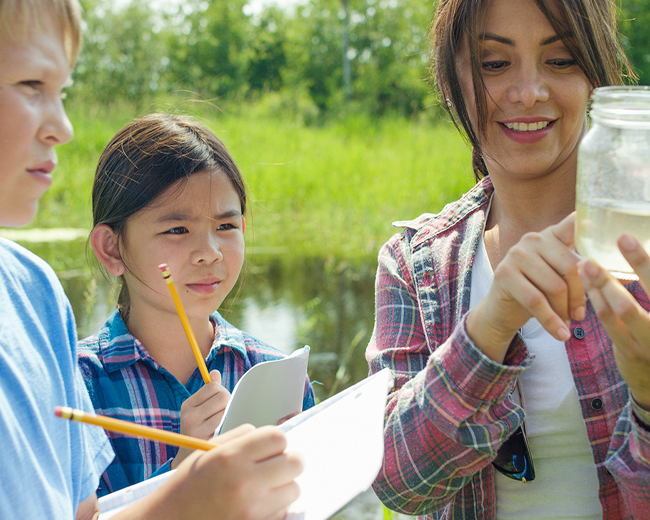
Short school breaks offer a valuable balance of rest, family connection, and opportunities to explore the world beyond the classroom. Educators can help families maintain learning momentum during breaks by supporting reading for pleasure, providing helpful at-home resources, and encouraging everyday learning experiences, creative activities, and conversations about curiosity and effort. By keeping learning activities for school breaks manageable, enjoyable, and responsive to family needs, educators can support continued growth while giving students the time and space they need to recharge.
Frequently Asked Questions About Learning During School Breaks
How can families support student learning during school breaks?
Families can support learning through everyday experiences, including reading, cooking, educational games, creative projects, outdoor exploration, and conversations about new discoveries. Short, flexible activities can help children practice skills and follow their interests while leaving plenty of time for rest and family connection.
What are some easy learning activities students can do at home?
Simple at-home learning activities for students include reading a favorite book, measuring ingredients while cooking, playing a math or vocabulary game, writing a journal entry, drawing an observation from nature, or creating a story. Families can choose activities based on their children’s ages, interests, and available time.
Should students do schoolwork during short breaks?
Families can follow teacher recommendations for optional practice while making space for rest, play, and family activities. Ready-to-use resources offer a flexible way to continue learning at home during one- to two-week breaks. Reading for pleasure, exploring a game, asking questions, and applying familiar skills during everyday tasks can help students keep learning at their own pace while enjoying time away from school.
How can teachers help students return to school after a break?
Teachers can invite students to reflect on their experiences, review important concepts through brief activities, and celebrate students’ interests and efforts. These strategies help teachers reconnect students with classroom learning and identify where additional practice or support may be useful.
How can students keep reading during a school break?
Students can choose books that interest them, visit the library, listen to audiobooks, read with family members, or explore magazines, graphic novels, and nonfiction. A flexible reading goal or a regular reading opportunity can help students make reading part of their break without turning it into a chore.
Allington, Richard L., and Anne M. McGill-Franzen. (2021). “Reading Volume and Reading Achievement: A Review of Recent Research.” Reading Research Quarterly, 56(S1), S231–S238. https://doi.org/10.1002/rrq.404
Yogman, Michael, et al. (2018). “The Power of Play: A Pediatric Role in Enhancing Development in Young Children.” Pediatrics, 142(3), e20182058. https://doi.org/10.1542/peds.2018-2058