Skip to content
Your Cart

How Can Summer Learning Keep Students Engaged and Ready for the Next Grade?

Summer offers valuable opportunities for students to reinforce skills, explore new interests, and prepare for the upcoming school year. Whether students attend a structured summer school program or participate in summer learning activities at home, the right resources can help prevent summer learning loss and support summer skill building and readiness.

TCM-Summer-Learning-Hub

This hub combines expert guidance, evidence-based programs, and free fun summer learning activities to support summer learning for PreK–12 students. Here, schools and families can keep students engaged, avoid summer learning loss, and strengthen skills for the next grade.

Fast Facts
  • Explore ready to use structured summer learning programs to support grade-level academic readiness.
  • Discover at-home learning activities families can use to reinforce reading, math, and subject area skills.
  • Print free summer resources to support summer instruction including checklists, schedules, games, and templates to make learning easy and effective.
  • Stream free on-demand, expert-led webinar session with practical strategies to prevent summer slide and engage students.
  • Read blogs for insights: research-based tips, enrichment ideas, and guidance for summer learning.

Why Does Summer Learning Matter?

Summer learning includes structured programs, at-home activities, and enrichment experiences that help students maintain and build academic skills during summer break. These resources build grade-level readiness, keep students engaged and confident for the upcoming school year and help with summer learning loss prevention. PreK–12th grade students benefit from a mix of reading, math, STEM, and fun summer learning activities designed for both schools and families.

Which Summer Programs Support Academic Readiness?

Structured summer school and summer learning programs help schools and families reinforce essential skills and build readiness for the next grade. Through guided lessons and engaging activities, educators and parents provide meaningful summer skill building while keeping students motivated.

School-Based
Summer-Scholars

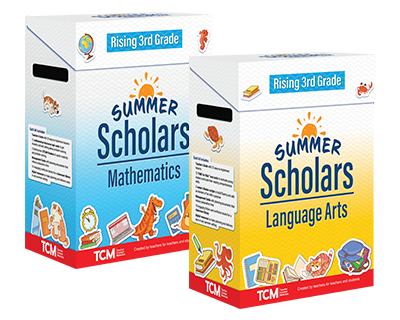
Summer Scholars

Grades 1–8

A ready-to-use summer school program with standards-aligned ELA and math lessons and activities that build skills, confidence and avoid summer learning loss.
At-Home
Take-Home-Backpacks

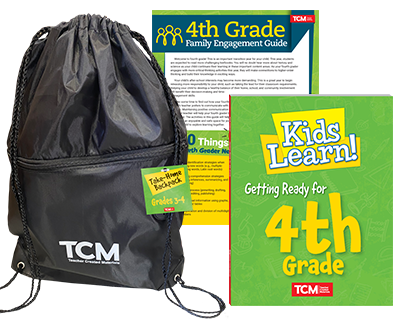
Take-Home Backpacks

PreK–High School

For summer break learning, these backpacks offer fun, standards-based activities and engaging books to keep PreK to high school students learning at home with grade-level content and parent support.
At-Home
Summer-Blast

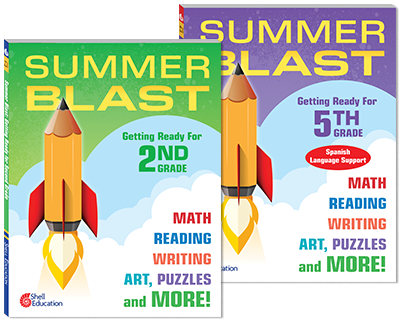
Summer Blast

Grades PreK–5

Prevent summer learning loss with 9 weeks of standards-based lessons in ELA, math, science, social studies, and art. Easy, family-friendly activities for parents.
At-Home
Kids-Learn

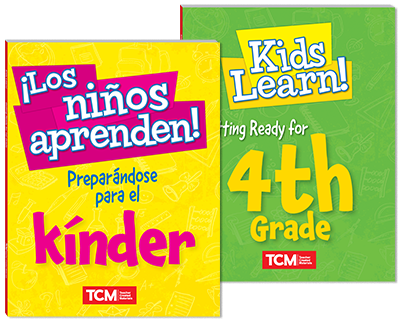
Kids Learn!

Grades PreK–12

Accelerate learning when school is not in session with fun, family-involvement activities that sharpen reading, writing, math, and creative thinking skills for PreK–12th grade students.

What Free Summer Resources Can
Families Use at Home?

These free resources help families combat summer learning loss and encourage summer skill building and social emotional learning in fun ways that fit flexibly into summer schedules at-home.

Checklist

Best Practices for Summer Instruction Checklist

Grades K–12

A well-structured summer school program closes gaps, prevents learning loss, and prepares students for the year ahead. These best practices support the design of effective summer learning programs.
Tip Sheet

At Home Summer Days Sample Schedule

Grades K–5

Create a balanced summer routine for children by incorporating daily reading, engaging outdoor activities, and creative play to nurture their skills, promote learning, and ensure a fulfilling break.
Activity

Summer Math Card Game

Grades K–5

Engage students in learning the order of operations through an enjoyable and interactive game experience.
Guide

Young Children's Screen Time Guide

PreK

Caregivers and parents can prevent screen time harms with these guidelines for kids under five.

View Summer Resources

Watch these Webinars to
Enhance Your Summer Programs

Strengthen your summer learning plans with practical strategies you can use right away in expert-led webinars offering actionable ideas for creating engaging summer programs for everyone, and supporting students and families during breaks. Watch anytime, anywhere.

On-Demand Webinar

Ignite Summer Learning with STEAM EdWeb

Overcome summer learning challenges with solutions for student engagement and the role of STEAM in enhancing learning enjoyment.
On-Demand Webinar

How to Accelerate Learning Over the Summer Break

Prevent the summer slide with meaningful at-home learning experiences that connect to classroom learning. Discover practical and impactful strategies that help students continue learning at home during the summer months.
On-Demand Webinar

How to Build an Enriching Summer Learning Experience

Learn about the challenges of summer school from former teachers and explore the ready-to-implement lessons and activities in TCM’s Summer Scholars program.
On-Demand Webinar

How to Implement Summer School to Identify and Reverse Learning Loss

Prioritize and plan for summer, create effective schedules, maximize teaching and learning, and use resources to identify and reverse learning loss.
On-Demand Webinar

Summer School: 3 Considerations for Boosting Student Engagement

Uncover ways to move students from obligation to dedication in summer school. Explore what research says about motivating learning and how to apply it to the summer school experience.
On-Demand Webinar

Summer School: 3 Considerations for Boosting Teacher Engagement

Reinvigorate your teaching practice in summer school with strategies to make the experience more meaningful, more motivating, and more professionally fulfilling.

Summer Learning Blog Insights

Get expert guidance for engaging summer instruction and activities that support both academic and social-emotional growth.

Visit the Teacher Created Materials Blog for practical strategies in reading, math, STEAM, and enrichment.

Visit the Free Spirit Publishing Blog for ideas supporting the whole child, social-emotional learning, independence, and curiosity.

TCM Blog

How to Collaborate to Help Kids Read This Summer

This article offers some simple ways teachers, administrators, and parents can work together to help kids read this summer and to avoid the dreaded “summer reading slide.”
TCM Blog

How to Combat Summer Slide and Plan for Success

This article outlines strategies for summer school planning and family engagement to combat summer slide and set students and teachers up for start-of-year successes.
FSP Blog

A Summertime Survival Guide for Parents of Kids with Learning Differences

This practical summer guide helps parents of kids with learning differences balance unstructured time using five key questions and actionable strategies.
FSP Blog

5 Low-Key Summer Activities for Kids

This article makes the case for incorporating low-key summer activities for kids (with plenty of supervision) and offers five for families to try.

Frequently Asked Questions

Your summer learning questions answered! Learn how to build academic readiness, prevent summer learning loss, and make summer skill building fun and effective for students of all ages.

How can I make summer learning fun?

Make learning interactive, include choices, and connect to real life. Short activities, games, and projects keep children motivated. Include strategies to engage students and offer fun summer learning activities. Summer Blast is designed to blend academics with creativity, making it easier for families to keep learning enjoyable and consistent.

What is the summer slide and how can I prevent it?

The summer slide is learning loss, especially in reading and math, during school breaks. Prevent it with short, consistent practice and engaging activities and standards-aligned summer learning programs. Programs like Summer Blast provide daily review, while Take-Home Backpacks reinforce skills through books and hands-on activities families can use together for summer learning at home.

What is the difference between summer school and summer learning at home?

Summer school is structured, teacher-led, and often focused on remediation, while at-home learning is typically flexible and enrichment-based.

How many hours per week should my child spend on summer learning/skill building?

Most children benefit from 3–6 hours per week, broken into short daily sessions. Consistency matters more than duration. The Summer Learning Toolkit provides simple schedules and routines that help families maintain steady learning without turning summer into a full school day and makes time for summertime balance.

Which subjects should I prioritize in the summer?

Reading and math can be most affected by summer learning loss. Consider integrating writing and critical thinking through projects. Summer Scholars: Language Arts and Summer Scholars: Mathematics provide targeted practice to reinforce essential skills across both subjects and includes STEAM integration.

How can summer learning support students who are behind or need extra help?

Summer offers a low-pressure time to review foundational skills and rebuild confidence. Structured programs like Summer Scholars include assessments and scaffolded practice, helping students strengthen gaps while preparing for the next grade level.

What fun activities help younger children avoid the summer slide?

Hands-on, playful learning is most effective for younger children. Activities like storytelling, counting games, and simple science projects build skills naturally. Summer Blast: Getting Ready for Kindergarten incorporates fun activities focused on independent student learning and parent-friendly engagement. Barbie™ Dream School Workbooks from preK through second grade students include bright colors, beloved characters, and fun activities to support reading, math, science, and social studies.

How can I help my PreK student be ready for kindergarten?

Focus on letter recognition, counting, fine motor skills, and following directions. Play-based learning is powerful. Summer Blast: Getting Ready for Kindergarten offers and hands-on activities with family guidance to build foundational skills in a fun, developmentally appropriate way.

How can we balance screen time with hands-on summer learning?

For schools, remember that a balanced approach works best: combine hands-on activities with purposeful digital practice. Programs like Summer Scholars include both print and digital resources that offer interactive components, online games, and kit materials that allow students to engage with content in multiple ways while limiting passive screen time. For parents, set positive screen time rules and guidelines to balance screen time with learning and play time.

What are the essential skills my child needs to start the next grade?

Students need specific skills to start the next school year with success. Ensure you are working on the skills your child needs this summer to begin PreK–12th grade with the Kid’s Learn series. Schools can provide Family Engagement Guides to families offering grade-specific tips and strategies to prepare students for the next level and have a family-friendly format ideal for summer use.

What are some effective summer learning programs for elementary students that offer at-home resources?

Effective programs combine structure with flexibility. Summer Blast is ideal for at-home enrichment, while Take-Home Backpacks offer fun, standards-based activities and engaging books to keep PreK to high school students learning at home with grade-level content and parent support.

Where can I find research-based reading programs for summer use for my child in grade 5?

Summer Blast: Getting Ready for Fifth Grade is a fun, easy-to-use summer activity book that helps children head into fifth grade confident, prepared, and excited to learn and includes essential reading skills.

What STEAM-focused educational resources are available for summer learning?

Summer is a great time to incorporate STEAM-focused educational resources that connect science, technology, ELA, arts and math. Summer Scholars for grades 1–8 includes 3 Smithsonian STEAM Readers per grade within lessons to support problem solving skills.

Can you suggest family-oriented learning activities for the summer that cover social studies?

Family learning can include map exploration, cultural activities, and local history projects. Summer Blast includes social studies connections through activities that encourage families to explore together.

What math curriculum sets are ideal for keeping kids engaged over the summer break?

Engaging math programs combine skill practice with real-world problem solving. Summer Scholars: Mathematics includes easy-to-follow lessons and activities that focus on important standards for mathematics and are designed to spark curiosity and creativity for students in grades 1–8.

What STEAM-focused educational resources are available for summer learning?

Summer is a great time to incorporate STEAM-focused educational resources that connect science, technology, ELA, arts and math. Summer Scholars for grades 1–8 includes 3 Smithsonian STEAM Readers per grade within lessons to support problem solving skills.

Can you suggest family-oriented learning activities for the summer that cover social studies?

Family learning can include map exploration, cultural activities, and local history projects. Summer Blast includes social studies connections through activities that encourage families to explore together.

What math curriculum sets are ideal for keeping kids engaged over the summer break?

Engaging math programs combine skill practice with real-world problem solving. Summer Scholars: Mathematics includes easy-to-follow lessons and activities that focus on important standards for mathematics and are designed to spark curiosity and creativity for students in grades 1–8.

Are there any summer activities that help improve reading skills for PreK students?

Yes—read-alouds, rhyming games, and letter play are highly effective. Summer Blast: Getting Ready for Kindergarten offers and hands-on activities with family guidance to build foundational skills in a fun, developmentally appropriate way.

How can I involve my family in summer learning activities for my kids?

Create shared routines, set simple goals, and participate in activities together. The Summer Learning Toolkit provides family-friendly schedules and collaborative activities that make it easier to turn learning into a shared experience.

Can you suggest summer educational materials that focus on improving language arts skills?

Strong language arts programs include reading, writing, and vocabulary practice. Summer Scholars: Language Arts offers structured lessons and engaging texts that help students build literacy skills while maintaining interest and motivation.

What resources are available for teaching STEAM subjects during the summer months?

Summer Scholars for grades 1–8 includes 3 Smithsonian STEAM Readers per grade within lessons to support problem solving skills.