Classroom routines provide students with a sense of structure, predictability, and safety, especially when the school day looks different from what they expect. But how can teachers maintain consistency when schedules change? This article offers six practical, trauma-informed strategies for supporting students through classroom transitions, preserving familiar routines, and creating opportunities for student choice, even during the most unpredictable times of the school year.
How do Schedule Changes Affect Students?
We are entering what could be considered the least consistent time of the academic year. Between holidays, days off school, end-of-semester assessments, spirit days, and more, the usually-reliable routine of school asks students to pivot, again and again. For some students, changes to classroom routines feel exciting and can increase the energy in the classroom. For others, especially those who benefit from trauma-informed support, these changes might feel stressful, increasing their anxiety and influencing their behavior.
Why Are Classroom Routines Important?
Classroom routines provide students with structure, predictability, and a sense of safety. Consistent routines help students understand expectations, navigate transitions, and focus on learning. When schedules change, familiar procedures, clear communication, and meaningful student choices help maintain consistency in the classroom.
Consistency matters. It's a core trauma-informed approach and a means of creating safety for our students. Consistency (through classroom routines and procedures, clear communication, and kind adult relationships) helps students know what to expect and what is expected of them. This time of year, that predictability is regularly disrupted. Yet consistency doesn't mean everything has to stay the same. It means students can continue to experience routine, safety, and support even when things change.
6 Ways to Maintain Consistency in the Classroom
Regardless of how our students experience these changes to the schedule, the collective shift can change the energy in our classrooms. As teachers, there are a few approaches we can take to provide needed predictability when everything around our students feels a bit more chaotic than usual. These trauma-informed classroom strategies can help maintain a sense of stability while giving students the flexibility to navigate changes throughout the school year.
1. Maintain Your Own Consistency
Students are attentive to the responses and reactions of adults. They notice when we are excited, frustrated, overwhelmed, or optimistic, and our responses influence how students experience the change. They already know changes to classroom routines are happening, and they may mimic (consciously or unconsciously) the mood and energy of adults. This does not mean teachers cannot experience emotions, but it does mean we need to move through our own experiences in a way that models how to navigate inconsistencies.
Consider in advance how you might model flexibility, patience, or problem-solving. You can use a strategy like a think-aloud to narrate how you practice regulation or reframe frustrations in real time. And if you don't respond the way you intended—maybe a frustration overwhelms you or you forget to follow through on something you promised—you can model how to reflect, repair, and try again. Your presence as a teacher is the most consistent thing in your classroom, so moving through change and uncertainty with your personality and care toward students intact is a strong support for classroom transitions and changes.
2. Explain Changes Before They Happen
Changes to classroom routines can feel complex because they introduce uncertainty, meaning students spend more focus trying to make sense of what's happening around them and less energy on learning. To support students in a trauma-informed way, we can add a sense of certainty!
Whenever possible, give students advance notice of upcoming changes and help them understand what will be different, what will stay the same, and what they can expect. For example, if an assembly will replace part of the regular class, walk students through how their day will unfold. Consider posting a visual schedule, reviewing it together, and making space for questions. Schools already tend to do a great job at sharing school calendars and upcoming events, so adding that increased communication to the day-to-day cadence of the classroom can strengthen overall practice. Even when changes happen unexpectedly, taking a moment to explain what is happening and what comes next can help students regain a sense of predictability.
3. Keep Small Classroom Routines in Place
Sometimes it's the small, familiar moments throughout the day that help students feel grounded when everything else is changing.
Consider the more relational routines your students have come to know and rely on. Perhaps it's the way you greet students as they enter class, a morning check-in routine, a favorite game, a predictable sequence of a lesson, or the transition songs that guide cleanup or switching activities. These habits serve as anchors, offering students something recognizable even when the larger schedule looks different. Rather than trying to preserve every routine, identify a few familiar ways of being that are meaningful and manageable to maintain throughout the busy season.
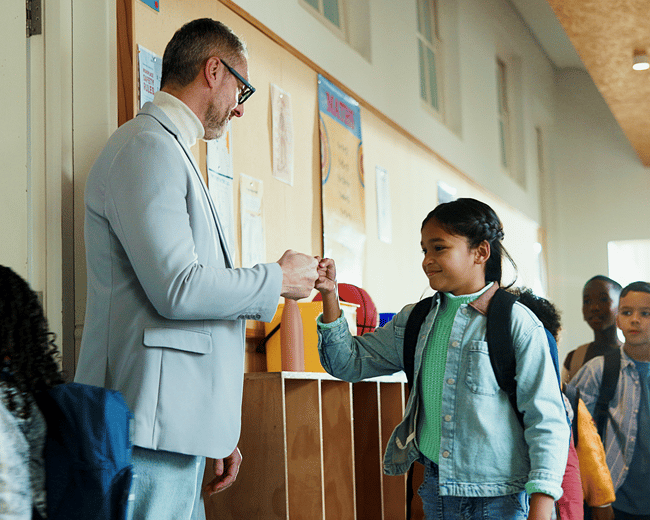
These predictable classroom routines can be especially valuable for students who benefit from additional structure and consistency. Even when the schedule changes, familiar interactions and classroom procedures can provide reassuring points of reference throughout the day.
4. Give Students Voice in Adapting the Day
While we cannot control the changes happening around us, we can give a little control back to our students in how they experience those changes. Offering meaningful choice helps students understand that even when parts of their environment change, they still have a say in what happens next. This is a strategic (and trauma-informed) remedy, because giving back some control when other parts are out of control can be stabilizing.
For example, if a shortened class period means adjusting the day's activities, invite students to help prioritize what needs to happen. Create space for choice reading or missing work completion, or have students sort which subjects to cover on which days of the week. Choices do not need to be big to be meaningful, but they need to be authentic. Student choice in the classroom isn't about putting students in charge of decisions beyond their control. It's about creating opportunities for their perspectives and needs to shape adjusted classroom routines.
5. Practice Unfamiliar Transitions
If we are being honest, sometimes our students have a hard time meeting the expectations of the school day even when everything is consistent and familiar, so it makes sense that they will need extra practice when the expectations are unfamiliar (or have not been revisited since the last assembly or spirit day).
Before a new transition (or one that has not been reviewed in a while), take a few minutes to walk students through what to expect. Where will they go? What will they do when they arrive? What might be different? How can they ask for help if they need it? For younger students, this might include practicing how to enter a new space or rehearsing a transition together. Older students might benefit from reviewing a schedule, discussing (or even co-creating) expectations, or identifying strategies for navigating crowded or unfamiliar environments. Making the unfamiliar more familiar can reduce uncertainty and help students participate with greater confidence.
Taking time to prepare students for classroom transitions reinforces familiar expectations and helps them navigate changes with greater independence.
6. Respond to Behavior with Understanding
Changing classroom routines can lead to changing student behaviors. Some students might become more energetic, distracted, or talkative, while others may withdraw, become frustrated more easily, or struggle with expectations they typically meet. Rather than interpreting these shifts immediately as defiance or a lack of motivation, consider what their behavior might be communicating about how the changes are impacting them.
Curiosity is key here. Ask: What might the student be experiencing? What support might help them be successful? Sometimes a quick reminder helps, giving them a choice in another way to engage, or a moment to connect with someone who can help them refocus. We can maintain clear, consistent expectations while remaining flexible and responsive in how we help students meet them.
Understanding what student behavior communicates is an important part of creating a supportive, trauma-informed classroom. For more guidance on recognizing students' needs and building responsive learning environments, explore The Trauma-Informed Educator: Mindsets and Practices for Resilience, Connection, and Change, designed to help educators develop the mindsets and practices that foster resilience, strengthen connections, and support positive change.
[H2] Maintain Consistency in the Midst of Change
This stretch of the school year reminds us that consistency isn't about creating a uniform classroom where nothing ever changes. Change is inevitable and learning to navigate it is an important part of students' development. What matters is how we support students through those changes.
When students can count on clear communication, familiar-as-possible routines, meaningful choices, and dependable relationships, we help create a sense of safety that doesn't depend on every day looking the same. These are important trauma-informed classroom strategies that help establish consistency in the classroom, even when schedules and expectations shift.
Even during the most unpredictable weeks of the school year, we can be intentional about the experiences students can continue to count on. By maintaining familiar classroom routines, preparing students for transitions, and creating opportunities for student choice, teachers can build predictable, supportive environments that help all learners feel safe and ready to learn.