In this article, you’ll learn why kids get angry, what triggers their frustration, and how adults' own reactions can either escalate or calm the situation. You’ll also discover practical strategies to help children express anger in healthy ways, prevent destructive outbursts, and how to keep your cool when they can’t. These techniques work at home, in the classroom, or anywhere you support kids. Learning effective anger coping skills for kids can make a big difference in family life and help children develop emotional resilience.
Understanding and Responding to Your Child’s Anger
Anger is a normal, yet powerful human emotion that can be hard to navigate—hard for adults and even harder for kids. Perhaps your child says or does things when they’re angry that in turn make you angry. Even when you are trying your best to be fair and reasonable, your child or teenager can put up such a fuss that it’s hard not to get upset, yell back, punish them, or ground them for life.
Fortunately, there is much you can do to help your kids work through their anger in constructive ways that ultimately will make parenting less stressful. In this article, I’ll explain why kids get angry and describe some basic strategies that can help you de-escalate your child’s anger. Any of these strategies can also be used by teachers and other adults working with kids to teach anger management for kids.
Why Kids Struggle with Anger
Anger is part of the fight, flight, or freeze response that helps keep us safe when we are in danger. It is also a normal response to frustration, to not getting what we want, to struggling to master a challenge, and to feeling hurt or rejected. Learning to control anger is a skill that develops as a child’s brain matures. For most kids, their anger is short-lived and not destructive, and their ability to express their anger rather than act it out improves over time. Kids with additional challenges, such as mental health conditions, are especially prone to having problems controlling their anger. Developing anger management skills for kids can provide them tools to handle strong emotions safely.
Children get angry for many of the same reasons that adults do. Feeling frustrated, thinking you are being treated unfairly, not getting your way, having your feelings be hurt, being criticized, being made fun of, feeling neglected or ignored, and being stressed are all common triggers for anger. Being hungry or tired doesn’t help either!
Anger isn’t all bad, however. Anger also helps us be assertive and stand up for ourselves and others. It gives us the courage to speak up, to let the other person know how we are feeling, and to get them to stop their hurtful actions. This is also a healthy and normal reaction.
Triggers for Parental Anger
Often, kids who react with anger will trigger angry reactions by parents (and teachers too!). It is challenging to remain calm when your child defies you and refuses to do what you say, talks to you rudely or disrespectfully, when they lie to you or steal from you or others, leave messes around, or when they ignore you. Unfortunately, if you react angrily, that is like pouring fuel on the fire.
Your reaction to your children has a lot to do with how you interpret their actions. If you see them as deliberately trying to upset you, you’re more likely to feel hurt and respond negatively. Instead, if you interpret their behavior as a sign that their emotions are overwhelming them and that their ability to cope with strong emotions has been maxed out, it makes it easier to respond in constructive ways.
Your own emotional state also makes a difference. If you are stressed, sleep deprived (most parents are these days!), or have your own issues with anger, it will be harder to respond calmly. Be sure to do your best to manage your own stress, get enough sleep, and seek out social supports when needed. Don’t forget to breathe—take your time before responding. This makes it less likely that you’ll overreact with anger. Easier said than done, but it gets easier with practice. Teaching anger coping skills for kids is most effective when parents model calm behavior.
Preventing Anger Problems
Effective parenting practices can go a long way toward avoiding destructive angry reactions. Teaching kids about their emotions and healthy ways to discharge anger can help. Punching a pillow can be a way to vent frustration. Learning to identify when your child is likely to melt down (e.g., when they’re hungry, tired, and so on) can help if you take measures to address it. Taking a nap or a break, having a snack, or redirecting them can help relieve their stress before it turns into anger.
Spending enough quality time with your kids and giving them enough attention makes it less likely that they will act out to get your attention. Noticing the positive and praising them for things they do (e.g., cleaning up, starting on their homework, helping with their siblings) and not taking it for granted makes kids feel better about themselves and about their relationship with you. Happier kids are less likely to melt down when angry. If your child has mental health issues, getting them treated can give them the tools they need to keep their anger under better control.

Consultant parenting is a good preventative parenting strategy. Think of yourself as a coach whose job is to help your child learn healthy coping strategies. As much as possible, giving them choices and some decision-making power helps them see you as respecting their abilities and can make it easier for them in situations where they do not get their way. Teaching anger management skills for kids supports their long-term emotional health.
Helpful Parent Reactions to a Child’s Anger
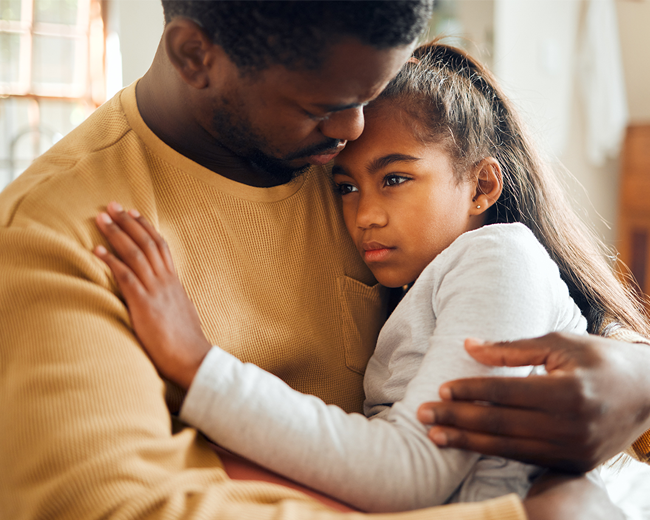
Think about your thoughts and actions as being either inflammatory or extinguishing. If you respond to your child’s anger by escalating, yelling, lashing out, and threatening consequences, this is inflammatory, like pouring gasoline on a fire. Instead, your goal should be to think and act in ways that extinguish the fire. Angry kids need soothing, calming, reassuring, and empathy during these times.
Here are some other strategies that will help:
Be Empathetic
If you let your child know that you understand that they are frustrated or angry, and say it in a caring way, this can help them calm down enough to listen to what you have to say to try to resolve the problem.
Be Respectful
Avoid the temptation to yell back at them, criticize them, or threaten them (e.g., Don’t you dare talk to me that way!). If you want them to treat you with respect, you need to model that respect when talking to them.
Turn Down the Temperature
Here’s an example: “I really want to understand why you are so upset but it’s hard to listen if you are yelling and saying mean things. If you can turn it down a little, we can try to figure this out together.”
Offer Help
Rather than telling them what to do, ask them if they’d like some suggestions on how to cope with the situation.
Take a Time Out
If tempers are too high to talk (on your child’s part or your part), take a break and come back to it later. “Let’s take a break to calm down first and we’ll talk later when we’re calmer.”
Pick Your Battles
Kids will frustrate you—they’re kids after all! But not everything is worth an argument. And if you are constantly arguing with your kids, it can all become a blur. Focus on the important stuff.
Give Them a Chance to Apologize
Apologies are an acknowledgement that you have hurt someone. While it doesn’t erase the hurt, it makes it easier to reconnect. Yes, they will probably do it again. Even so, the apology helps them see things from your point of view, which can help them think before responding in the future.
Apologize Yourself
You can set a great example for your child by apologizing when you have overreacted. You’re not apologizing for being upset—that’s only natural if your child did something hurtful. But if you yelled or reacted in ways you’re not proud of, apologizing for how you communicated it lets kids know that they are not the only ones struggling with anger. It can also make it easier for them to apologize.
Try a Redo
If an interaction between you and your child goes poorly, it can help to try it again, using a bit of humor as well. Imagine that you’re shooting a movie and the scene went poorly and people messed up their lines. You can say to your child something like this: “Hey, this conversation is not going well at all. I can see we’re both getting upset. Let’s try this again. I’m going to leave and I’ll come back in a couple of minutes and let’s see if we can handle this differently.” This gives you both time to think about how you’d like to approach the situation in a more constructive way.
Learn More
Keeping Your Cool When They Can’t: Parenting Children Who Struggle with Anger gives parents the knowledge, tools, and techniques to handle both their child’s anger and their own reactions. In this book, you will learn why your child gets angry, how to prevent explosive outbursts, and what to do when they happen. By understanding your own triggers, you can stay calm and model effective anger coping skills for kids every day.
It Gets Better
Dealing with a child’s anger is one of the most difficult aspects of parenting. Of course, many adults still struggle with this. Learning how to handle strong emotions is a lifelong process. Remembering that your kids are still learning and that their brains aren’t fully mature can help you be more patient with them as they master this skill. And by modeling healthy ways of expressing anger and teaching them how to express their anger respectfully, you can make family life a lot less stressful.