Creating schools where every student feels seen, respected, and safe starts with the everyday choices educators make. In this article, you’ll learn what gender-inclusive schools look like in practice, why small shifts matter, and how everyday educator actions—alongside thoughtful gender-inclusion policies—can create safer, more welcoming environments for every student with gender inclusive practices you (and your school) can implement right now.
What do gender-inclusive schools look like in practice?
Gender-inclusive schools are environments where every student feels safe, respected, and seen regardless of gender identity or expression. This shows up in everyday language, classroom routines, staff alignment, and schoolwide systems. Educators use inclusive terms, respect names and pronouns, and create flexible structures that avoid unnecessary gender divisions.
Why Gender-Inclusive Practices Matter for Every Student
Gender-inclusive practices improve school climate for all students by reducing harm, increasing belonging, and modeling respect. While they are essential for transgender and nonbinary students, they also help every learner feel more comfortable, included, and able to focus on learning.
The reality right now is that many students are carrying a lot before they ever walk into our classrooms.
Educators can’t control legislation, public discourse, or what students are hearing outside of school. But we can control the space they enter each day, and whether that space feels steady, respectful, and safe. That’s where the “small things” start to matter more than we sometimes realize.
Students notice how they’re addressed. They notice patterns in who gets grouped together. They notice whether adults correct each other or stay silent. None of these things are small to the student experiencing them.
Small Classroom Shifts that Make Schools More Inclusive
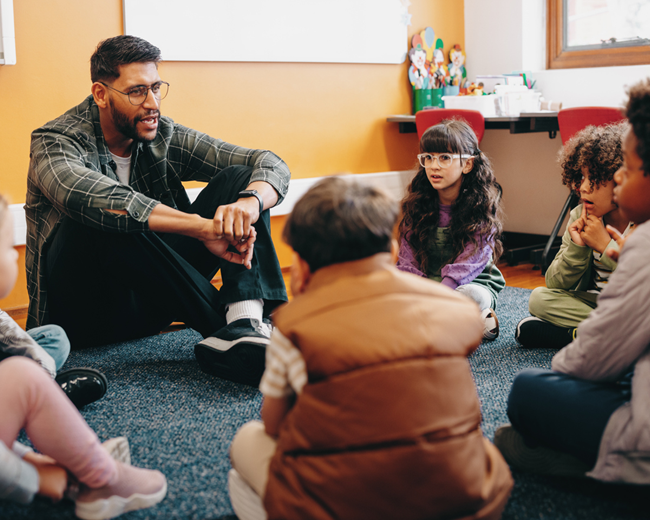
Small classroom shifts—like using inclusive language, practicing pronouns, and rethinking routines—signal respect and belonging. These changes are easy to implement and build a foundation for broader inclusion over time.
Practice Pronouns and Names Intentionally
When someone you know changes pronouns or begins using a new name, it can take time to adjust, especially if it’s new for you.
One of the most helpful things I’ve seen is teams choosing to practice.
On one teaching team, every time a student shared new pronouns or a name, we practiced during team meetings. It gave us space to make mistakes with each other, so we made fewer of them with the students. Practicing the language can help to build up those new neural pathways and make it easier. That’s a huge reason why it’s important to pause and correct pronouns and names used by someone even when that person isn’t present.
A quick aside that’s worth naming: most gender-expansive students don’t want a big moment every time there’s a mistake. A simple approach goes a long way
- apologize
- correct
- move on
Book Connection: Resources like Gender Inclusive Schools can help by giving simple, structured ways to practice language, especially if you’re not sure where to start. It also has a few great practice forms for teachers and parents to use individually or with the team that interacts with the student. It’s a little like Madlib’s, giving you a script to follow and read aloud—a low-stakes and easy way to practice.
The Little Things Matter
The stakes here are not abstract, though.
Right now, many gender-expansive students are navigating environments that feel openly hostile, confusing, or unpredictable. Anti-transgender laws are causing an increase in (an already higher rate of) suicide attempts among transgender and nonbinary youth. In 2026 alone, there have been more than 770 anti-transgender bills introduced across the United States, and nearly half of the country's gender-expansive youth live in states where gender-affirming care has been banned or severely limited (with campaigns around those laws exposing them to an onslaught of transphobic, dehumanizing language about themselves).
That doesn’t stop when they walk into school. But school can still be the place where things feel different. Our kids need more than performative allyship and protection. And while the “little things” aren’t the whole solution, they do carry real weight for individual students.
Look around your space. What signals are students picking up?
Maybe you’re in a setting where certain symbols aren’t allowed or are discouraged. Even then, there are still ways to communicate inclusion
- what’s on your walls
- what’s in your classroom library
- what expectations you set for how people are treated
Language is one of the easiest places to start
- “boys and girls” → “everyone,” “friends,” “learners”
- rethinking gender-based grouping
- adjusting routines that unintentionally divide students
These are small yet consistent shifts that students notice.
Learn and Reflect as an Ongoing Practice
It would be easier if there were a perfect checklist here, but there isn’t. Most educators I know want to get this right. The challenge is that good intentions don’t always translate into good outcomes without reflection.
To that end, it’s crucial for all of us to constantly learn, reflect, and grow as practitioners and people so long as there are young people in our care. Understanding the why helps us to make sure the how is positive and productive.
Reflect by
- noticing your own assumptions
- being open to adjusting your practice
- staying curious instead of defensive
What that learning looks like will vary. For some, it’s starting with foundational questions. For others, it’s going deeper into policy, language, or student experience. Maybe you hear the term gender-affirming care, but don’t really know what it means. Whatever your questions or worries, I assure you there is good, fair, and affirming information out there if you look for it.
Schoolwide Systems that Support Belonging and Safety
Schoolwide systems—like consistent staff practices, inclusive curriculum, and aligned expectations—create stability and reinforce belonging. When inclusion is embedded across classrooms, students experience consistency and safety throughout their day, not just in isolated spaces.
That’s why alignment matters
- shared language across staff
- clear expectations for inclusion
- consistent responses when issues arise
When this becomes a collective commitment, inclusion stops being dependent on individual educators and starts becoming part of the school’s culture.
When Gender-Inclusion Policies Help Turn Values into Action
Gender-inclusion policies provide clear guidance that ensures consistency, protects students, and aligns daily practices with school values. They help move inclusion from individual effort to systemic support, making it sustainable across classrooms and over time.
If you can influence or set policies in your district or school, there is so much you can do to positively impact your gender expansive students immediately.
All the classroom practices above still matter. But when they’re reinforced through policy, students experience that support all day, every day, all year—and not just in certain spaces.
There’s not space here to map out every possible policy shift, but a useful place to start is to look at every part of your school through the eyes of a gender-expansive student
- curriculum
- professional development
- facilities
- student handbooks
- library collections
- school traditions and events
Then ask
- Where would I feel clearly included?
- Where might I feel unsure, invisible, or unsafe?
- What questions would I have that no one has answered?
This work is not quick or easy. It’s layered, sometimes uncomfortable, and often imperfect. However, it matters.
How Educators Can Start Without Waiting for Perfect Policy
Educators can begin building gender-inclusive schools immediately by adjusting language, practicing respect, and reflecting on classroom routines. Small, intentional actions can create safer, more inclusive environments right away. The most important step isn’t the perfect one; it’s the next one.
FAQ: Gender-Inclusive Schools
What is a gender-inclusive school?
A gender-inclusive school ensures all students—regardless of gender identity—feel respected, safe, and supported through inclusive language, practices, and policies.
What are examples of gender-inclusive practices?
Using correct names and pronouns, avoiding gendered language, creating flexible grouping strategies, and ensuring diverse representation in materials.
Why do gender-inclusion policies matter?
They provide clear expectations, ensure consistency, and protect students by aligning school practices with inclusive values.
Can teachers implement changes without policy support?
Yes. Many impactful changes—like language use and classroom routines—can be implemented immediately and often help build momentum for broader schoolwide change.