Talking about bullying in the classroom can be challenging, but children’s books can give educators a meaningful and approachable way to begin the conversation. In this article, you’ll learn how wordless picture books and other children’s books can help students explore bullying, empathy, self-esteem, inclusion, and positive ways to respond. You’ll also find discussion questions, book recommendations, and practical strategies for helping students become upstanders and building a classroom culture where every child feels supported.
How Can Wordless Picture Books Help Children Talk About Bullying?
Wordless picture books can create a safe, inclusive way to help children talk about bullying in the classroom. Because students become the storytellers, educators can use their responses to explore empathy, compassion, self-worth, and positive ways to respond to classroom bullying. This approach can also support bullying prevention activities and meaningful classroom discussions throughout the year.
National Bullying Prevention Month each October offers an opportunity to open a discussion about bullying in the classroom that can continue all year, promote positive interaction, and offer children a safe space for dedicated learning.
Why Get Kids Talking About Bullying in the Classroom?
Bullying happens, and it can persist or worsen as children grow older and their social worlds become more complex, both online and off—especially if they don’t have the tools to respond. Early conversations about bullying can help prepare students for when they encounter bullying situations and provide a foundation for preventing bullying in the classroom. Educators looking for a broader foundation can also explore how to understand, prevent, and respond to bullying.
Through effective communication, parents and educators can teach compassion and empathy, share preventative techniques and strategies, promote individual self-worth and boost confidence, and convert bystanders into upstanders. With these few elements in place and in practice, classroom bullying loses a lot of its intimidating muscle quickly.
How Can Children’s Books Help Address Bullying in the Classroom?
Using Wordless Picture Books for Bullying Prevention
Wordless picture books are great engagement tools because children are the primary storytellers. When children drive the narrative, parents and educators can sit back, listen, and observe. While adults can offer direction, interject guidance, or gently ensure the discussion stays on track, children are in charge of taking us on their journey of experiences and perspectives.
This kind of activity can produce valuable information. In a group setting, you’ll hopefully get a chorus of responses and insights. These comments might
- help you determine if your school has a bullying problem
- alert you that you need to take more time discussing compassion and empathy
- illuminate situations where bad things occur in certain places without adult supervision
You’ll glean a lot of helpful information by listening to all the children pitch in and construct their stories.
Using wordless picture books is also one way to incorporate bullying prevention activities for elementary students into everyday learning. Rather than simply telling children how they should respond to bullying, educators can give them opportunities to interpret situations, consider different perspectives, and talk through possible responses.
While wordless books can reveal children’s concerns, they also have huge creative and learning benefits.
- Build collaboration and community: Group reading experiences bring children together to create stories, share ideas, and practice teamwork.
- Support inclusive participation: Wordless picture books give children with learning differences and disabilities an accessible way to engage with stories and contribute their ideas.
- Support emerging readers and multilingual learners: Without written text, children can focus on illustrations, build language skills, and participate in storytelling regardless of reading level or language background.
- Encourage creativity and ownership: Children become the authors of their own stories, giving them opportunities to use their imagination, develop ideas, and create a personal connection to the book.
Wordless picture books can also complement children’s books about bullying by giving students another way to explore characters, relationships, emotions, and conflict. The absence of written words allows children to focus on what they see, what they think is happening, and how the characters might feel.
Using Picture Books for Bullying Prevention
Children’s picture books with words also give educators a powerful way to introduce bullying in the classroom through relatable characters, emotions, and situations. As students listen to a story, they can consider what characters are experiencing, identify moments of conflict or exclusion, and explore how different choices can affect others. The story provides a shared experience that can help children connect classroom conversations about empathy, compassion, self-worth, and positive peer relationships to situations they may recognize in their own lives.
Reading and discussing children’s books can also provide valuable insight into how students understand social situations. As children respond to characters and events, their comments might
- help you identify questions or concerns students have about friendship, inclusion, or bullying
- create opportunities to explore compassion, empathy, and perspective-taking
- encourage students to share ideas about positive ways to respond to challenging situations
- help students recognize the feelings and experiences of others
- introduce language children can use to talk about emotions, relationships, and conflict.
Adults gain valuable insights by listening to students explain what they think characters are feeling, why they believe characters make certain choices, and how they would respond in similar situations.
Children’s picture books can also become a meaningful part of bullying prevention activities for elementary students. Educators can pause throughout a story to ask questions, invite predictions, explore character perspectives, and discuss possible responses. These conversations give students opportunities to practice empathy and communication while building their understanding of healthy, respectful relationships.
Children’s books with words also offer a range of creative and learning benefits.
- Build empathy and perspective-taking: Stories invite children to consider experiences and emotions from a character’s point of view.
- Develop emotional vocabulary: Characters and story events can introduce language children can use to describe feelings and social experiences.
- Encourage meaningful discussion: A shared story gives students a common experience to discuss with classmates, teachers, and families.
- Connect social-emotional learning to literacy: Educators can integrate conversations about relationships, emotions, and decision-making into everyday reading experiences.
- Make challenging topics approachable: Fictional characters and familiar story situations can give children an accessible starting point for discussing difficult feelings and experiences.
Children’s picture books can complement wordless picture books by offering students different ways to explore characters, relationships, emotions, and conflict. Stories with words provide additional context through narration and dialogue, while thoughtful discussion gives children opportunities to interpret characters’ choices, connect with their own experiences, and consider positive ways to support others.
What Children’s Books Can Help Start Conversations About Bullying?
Children’s books give students relatable characters and situations that make difficult topics easier to approach. These Free Spirit Publishing titles offer opportunities to discuss bullying, self-confidence, empathy, self-advocacy, and positive ways to respond to challenging peer situations.
Laney Dances in the Rain: A Wordless Picture Book About Being True to Yourself
Laney Dances in the Rain is a wordless picture book that gives children the opportunity to become storytellers. As students interpret the illustrations and create their own narrative, educators can guide conversations about being true to yourself, self-worth, acceptance, and how it feels to be different. Its wordless format makes it especially well-suited for open-ended classroom discussions about empathy, inclusion, and positive peer relationships.
Weird! Series
Part of the Weird series for ages 5–9, Weird! follows a child experiencing bullying and provides an approachable way for younger students to explore what it feels like to be excluded or targeted. The series features relatable characters and realistic situations while providing opportunities for adults to guide conversations about bullying.
Also part of the Weird series, Dare! gives young readers another perspective on bullying and encourages conversations about courage, empathy, and positive bystander behavior. It can be especially useful when discussing what students can do when they see someone else being treated unkindly.
Tough! rounds out the Weird series by giving students another perspective on bullying and the behaviors surrounding it. The story can help educators discuss empathy, self-control, social responsibility, and the impact that our actions can have on others.
You Made Fun of My Sandwich
You Made Fun of My Sandwich gives educators another approachable way to open conversations about peer interactions, empathy, and how our words and actions can affect others. The story can help students think about how it feels when someone makes fun of something that matters to them and encourages discussion about kindness, perspective-taking, and respectful ways to respond. Use the story as a springboard for asking students how characters might feel, what they could do in a challenging situation, and how classmates can help create a more welcoming environment.
Stick Up for Yourself!: Every Kid’s Guide to Personal Power and Positive Self-Esteem
For older children ages 9–13, Stick Up for Yourself! focuses on personal power, positive self-esteem, self-advocacy, and personal safety. It can complement classroom conversations about bullying by helping students think about assertiveness, confidence, and healthy ways to respond to challenging situations.
What Bullying Discussion Questions Can You Ask Students?
Here are bullying discussion questions you can use to get kids talking about bullying. Encourage students to explain their thinking and listen to one another’s perspectives.
- What is the difference between tattling on someone and telling on someone?
- What’s something you can do if someone is being unkind to you or one of your classmates?
- If someone hurt your friend’s feelings, how would that make you feel? What might you do in response?
- Why is it important to compliment others?
- Who could you talk to at school if another student treated you unkindly?
- If you see someone sitting by themselves at lunch or at recess, what could you do?
- How do you feel when your parents or teachers encourage you? Why?
- What if someone appears different from you in some way? Do you think you could find something in common with them? How could you discover things that interest you both?
- How would you feel if someone made fun of you for doing something you love or enjoy? Why do you think people tease or make fun of others?
- If you’ve been unkind to someone, why would it be important to say you’re sorry?
These questions can help educators address bullying in the classroom through empathy, communication, inclusion, and positive action. Students may also have great questions to add based on their own experiences.
Discussion questions can also be adapted for small groups, partner discussions, morning meetings, or other bullying prevention activities. For additional discussion ideas, try these bullying scenarios to get kids talking, which give students opportunities to think through possible responses before they encounter challenging situations in real life.
How Can We Keep the Conversation Going?
A single conversation about bullying can be meaningful, but ongoing opportunities to talk, listen, and practice positive interactions can help make preventing bullying in the classroom part of the everyday classroom culture.
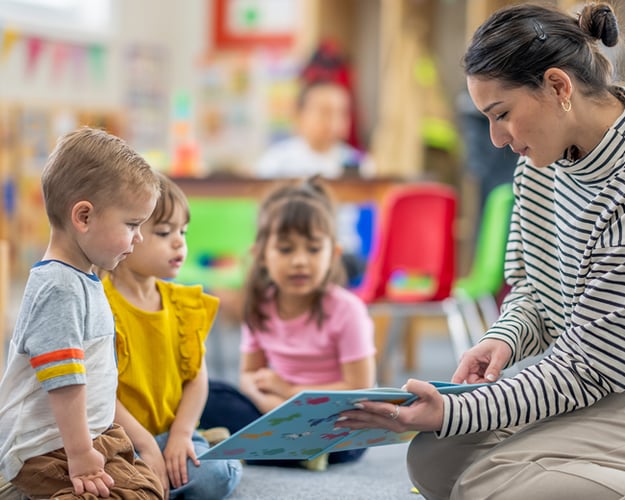
Children’s books can provide a natural starting point for these conversations. Whether students are interpreting a wordless picture book, discussing a character’s choices, or imagining how they might respond to a challenging situation, stories can create space for students to build empathy and consider positive actions.
Use Children’s Books to Build Empathy and Bullying-Prevention Skills
Children’s books can help students recognize bullying while giving them a safe way to explore feelings, perspectives, choices, and solutions. By combining thoughtful stories with open-ended questions and ongoing conversations, educators can help students develop empathy, confidence, and the skills they need to respond positively when they encounter bullying. Whether you use a wordless picture book to let students create their own story or choose a book that directly addresses challenging peer interactions, making these conversations part of everyday classroom learning can help create a more inclusive, compassionate environment.